Morocco is a year-round destination — but the experience varies dramatically depending on when you visit. From the rose-scented valleys of spring to crisp winter mornings in the Sahara, from the summer buzz of Essaouira to the quiet magic of a November medina at dawn, each season reveals a completely different Morocco. This guide will help you choose the perfect time for your Moroccan adventure.
Not Sure When to Visit Morocco?
Our Morocco travel experts will help you choose the perfect dates based on your interests, budget, and preferred experience.
💬 Get Free Travel AdviceMorocco at a Glance — Climate by Region
Morocco's climate varies dramatically by region. Coastal cities (Essaouira, Casablanca, Agadir) enjoy mild Atlantic-influenced weather year-round, rarely exceeding 28°C or dropping below 12°C. Imperial cities (Marrakech, Fes, Meknes) experience Mediterranean extremes — hot, dry summers and cool winters. The Sahara Desert is intense in both directions — baking summers above 45°C and cold winter nights. The Atlas Mountains receive snow from November to March, creating stunning winter scenery.
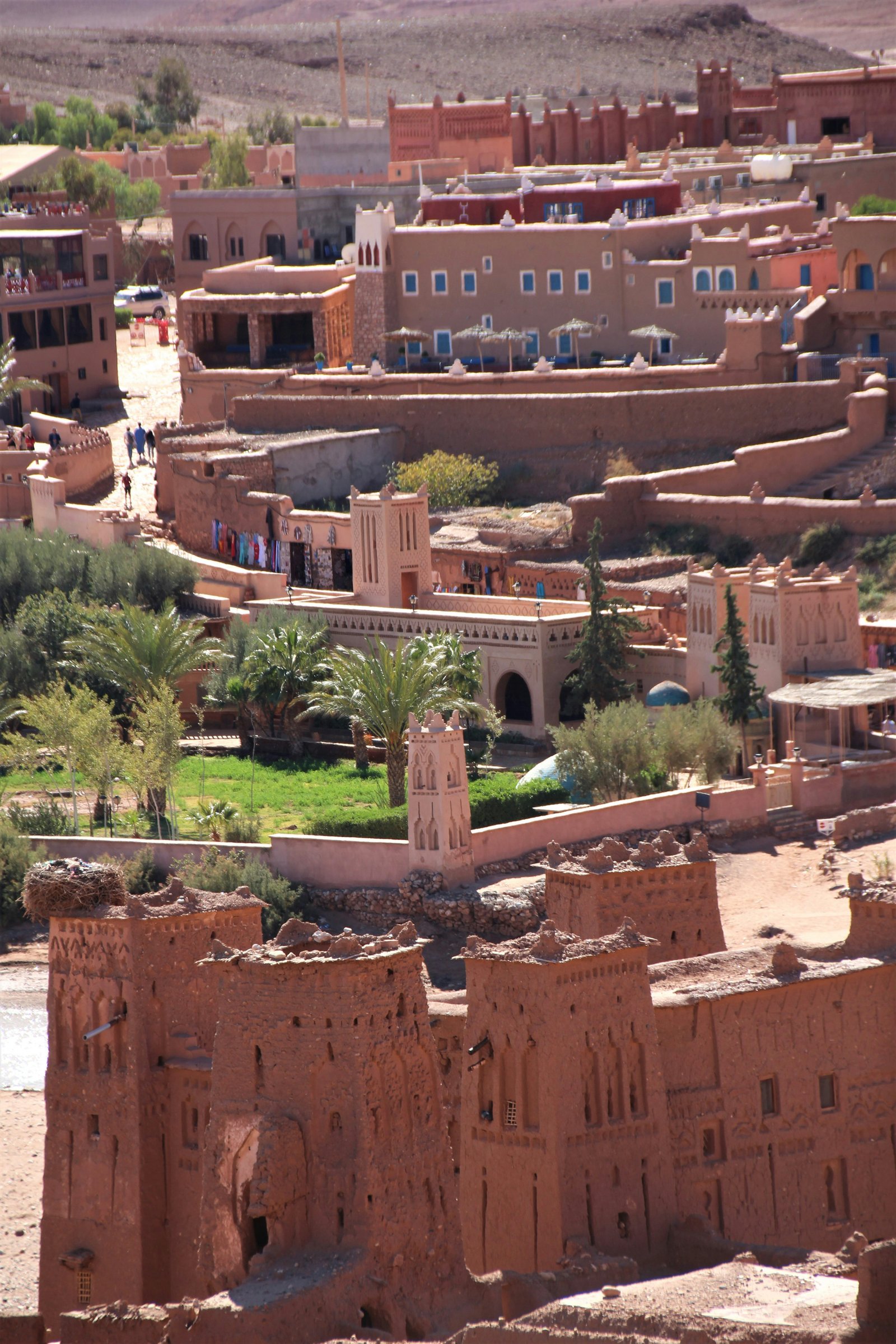
The Rose Valley (Dadès) in April — one of Morocco's most beautiful seasonal spectacles. Replace with your spring landscape photo.
Month by Month — The Complete Morocco Travel Calendar
Winter Magic & Low Season Prices
January is Morocco's quietest month — fewer crowds, lower prices, and a more authentic medina experience. Marrakech and Fes are pleasantly cool. Sahara nights are cold but days are beautiful. Snow on the Atlas creates stunning scenery for photographers. Perfect for budget-conscious travellers who want quality without peak-season premiums.
Almond Blossoms — A Photographer's Dream
February brings one of Morocco's most spectacular natural events — the almond blossom season in the Draa Valley and around the Atlas. Pink and white flowers carpet the landscape in a breathtaking display. Desert temperatures are rising to comfortable levels. An excellent month for photography enthusiasts.
Spring Begins — Near Perfect Conditions
March marks the beginning of Morocco's golden travel season. Temperatures are ideal across all regions. The countryside turns lush and green after winter rains. The Sahara is warm by day and comfortably cool at night. Tourist numbers are increasing but haven't yet reached peak levels. Highly recommended by our team — especially for a first visit.
Peak Spring — Morocco at Its Most Beautiful
April is widely considered Morocco's finest month. Perfect temperatures across every region, blooming roses in the Dadès Valley (Rose Festival in May), wildflowers everywhere, and golden hour light that photographers dream about. Book well in advance — April fills up very quickly across all quality accommodations and private tours.
Rose Festival & Long Golden Days
May hosts the famous Rose Festival in Kalaa Mgouna — a spectacular celebration of Morocco's rose harvest with a parade, live music, and rose products filling every market stall. Long daylight hours mean more time to explore. Temperatures are warming but still comfortable in most regions. Desert mornings and evenings are outstanding.
Heat Rising — Coastal Cities Are Your Friend
June brings significant heat to inland cities. Marrakech can exceed 38°C by afternoon. However, coastal destinations like Essaouira and Agadir remain refreshingly cool thanks to Atlantic trade winds. A good month if you plan your itinerary around the coast with early morning inland excursions. Essaouira in June is one of Morocco's most pleasant experiences.
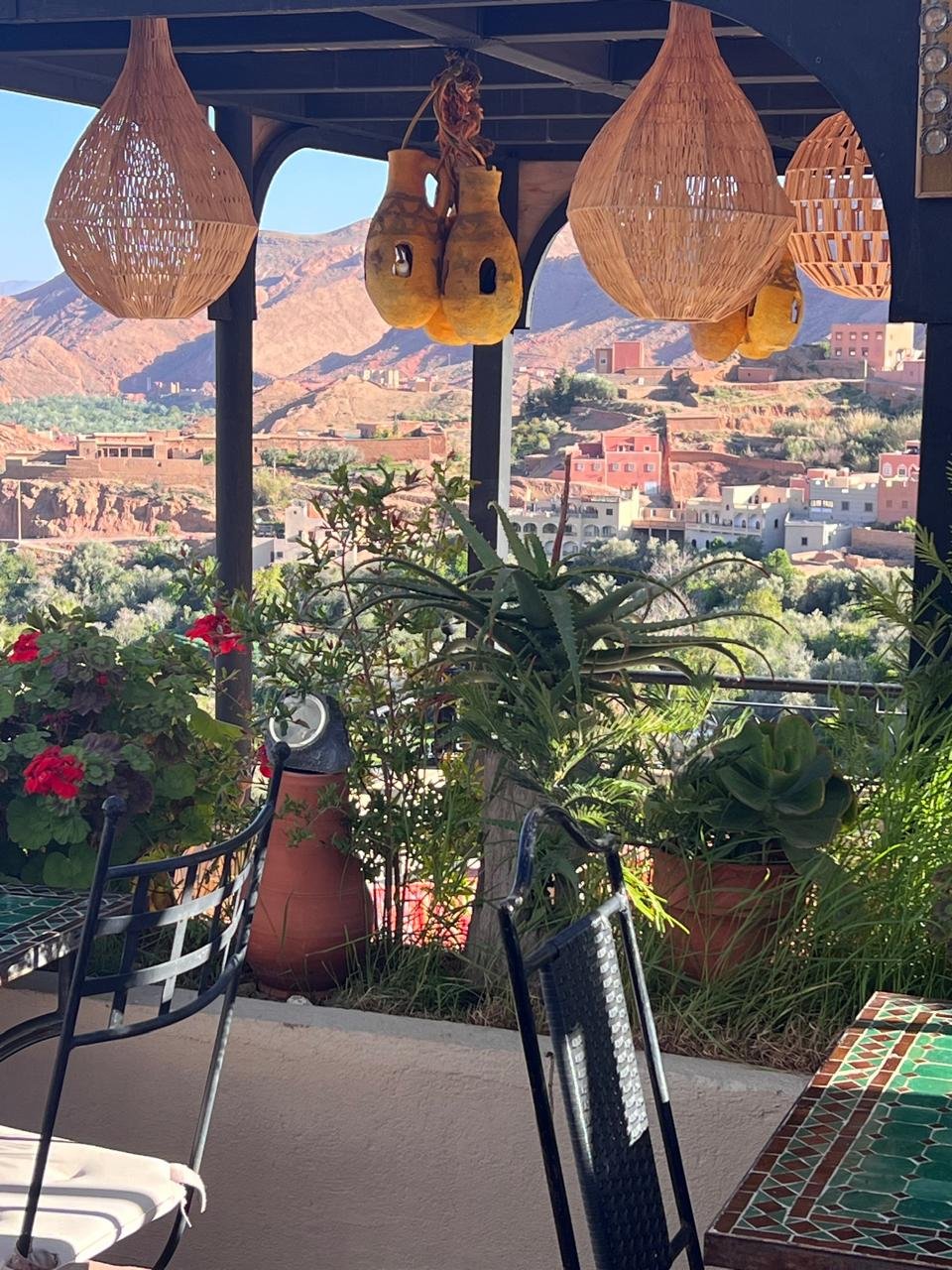
Essaouira's Atlantic coast stays beautifully cool even in summer — replace with your own Essaouira sea photo.
Peak Heat — Plan Carefully
The hottest months in Morocco. Marrakech, Fes, and the Sahara can be brutally hot. Not recommended for first-time visitors or those sensitive to heat. The Atlantic coast is a summer refuge — Essaouira is famously cool and windy year-round. If you must visit inland, restrict activity to early morning (before 10am) and evening (after 6pm).
Autumn Begins — Temperatures Dropping
September sees temperatures falling to manageable levels. Summer crowds thin noticeably. The Sahara is still warm but no longer extreme. An excellent month for those who like warm weather without peak intensity. Good availability on accommodation and private tours. The date harvest season begins in the south — a wonderful cultural bonus.
Autumn Gold — A Traveller's Dream
October rivals April as Morocco's finest month. Perfect temperatures, extraordinary golden autumn light, date harvest season in the south (Rissani, Erfoud), and the Sahara returning to its most comfortable and photogenic. Our second most popular month — book your private tour early to secure preferred dates and camps.
Quiet Season — Authentic & Affordable
November offers a quieter Morocco with excellent value. Temperatures are cooling pleasantly. The Sahara is ideal — warm sunny days and cool nights perfect for stargazing under the clearest skies of the year. Some rainfall in northern regions (Chefchaouen, Tangier) but generally manageable. A great month for travellers who prefer authenticity over peak-season buzz.
Winter Charm & Festive Atmosphere
December is a wonderful time to escape European winter for Morocco's mild climate. Marrakech buzzes with international visitors over the holiday season. The Sahara offers some of the clearest skies of the year for stargazing. Possible snow on the High Atlas creates extraordinary photography opportunities. Christmas week fills up — book in advance.
November and December offer the clearest Sahara skies for stargazing — replace with your best desert night photo.
Our Expert Season Recommendations
For first-time visitors: April or October — perfect weather, manageable crowds, and the full Morocco experience across all regions.
For the Sahara desert: November to March — comfortable temperatures, cold and star-filled nights, empty dunes.
For photographers: February (almond blossoms), April (rose valleys), or October (golden autumn light and date harvest).
For budget travellers: January, February, or November — lower prices, fewer tourists, more authentic medina experience.
For surfers and Atlantic lovers: November to March — best Atlantic swells at Taghazout and Tamraght.
Which Season Suits Which Morocco Tour?
- 4-Day Sahara Desert Tour → best October–April
- 7-Day Imperial Cities & Sahara → best March–May and September–November
- 9-Day Desert, Mountains & Atlantic → best April, October, November
- 12-Day Grand Morocco Tour → best March–May and September–November
Ready to Book Your Morocco Tour? 🇲🇦
Tell us your preferred dates and we'll design the perfect private Morocco itinerary. Whatever the season, we make it exceptional.
View All Morocco Tours